This accessible Buffalo NY travel guide starts with the good news: Buffalo is flat, its downtown is compact, and its newer and renovated museums do access well. The Buffalo AKG Art Museum is accessible throughout and lends wheelchairs free, the Buffalo History Museum is accessible throughout and runs a Sunday sensory hour, and the Buffalo Museum of Science is certified sensory inclusive. The waterfront paths at Canalside and the Outer Harbor are level and paved, and at Niagara Falls State Park the attractions, including the Maid of the Mist, are accessible. The hard places are the historic ones: the balcony at Shea’s, the last three flights to City Hall’s observation deck, the upper floors of Wright’s houses and the gorge trails.
This guide is for travelers who use wheelchairs or scooters, walk with difficulty, or need a calmer sensory environment, and for anyone planning a trip with them. The caveat is that access in a city of 19th-century buildings is uneven and changes with renovations, elevator repairs and the weather, so treat this as a map of where to start and confirm the details that matter to you before you go. Everything here was checked September 23, 2026 against official sources.
| Place | Access | Cost | Time needed | Book ahead? |
|---|---|---|---|---|
| Buffalo AKG Art Museum | Fully accessible; free loaner wheelchairs and walkers | Admission; care attendants free | 2 to 3 hours | No |
| Buffalo History Museum | Accessible throughout; sensory kits; Sunday Sensory Hour | Pay as you wish, $12 suggested | 1 to 2 hours | No |
| Buffalo Museum of Science | Two elevators; free wheelchairs; KultureCity certified | Admission | 2 hours | No |
| Canalside and the Outer Harbor | Level paths; accessible parking at Wilkeson Pointe | Free | 1 to 3 hours | No |
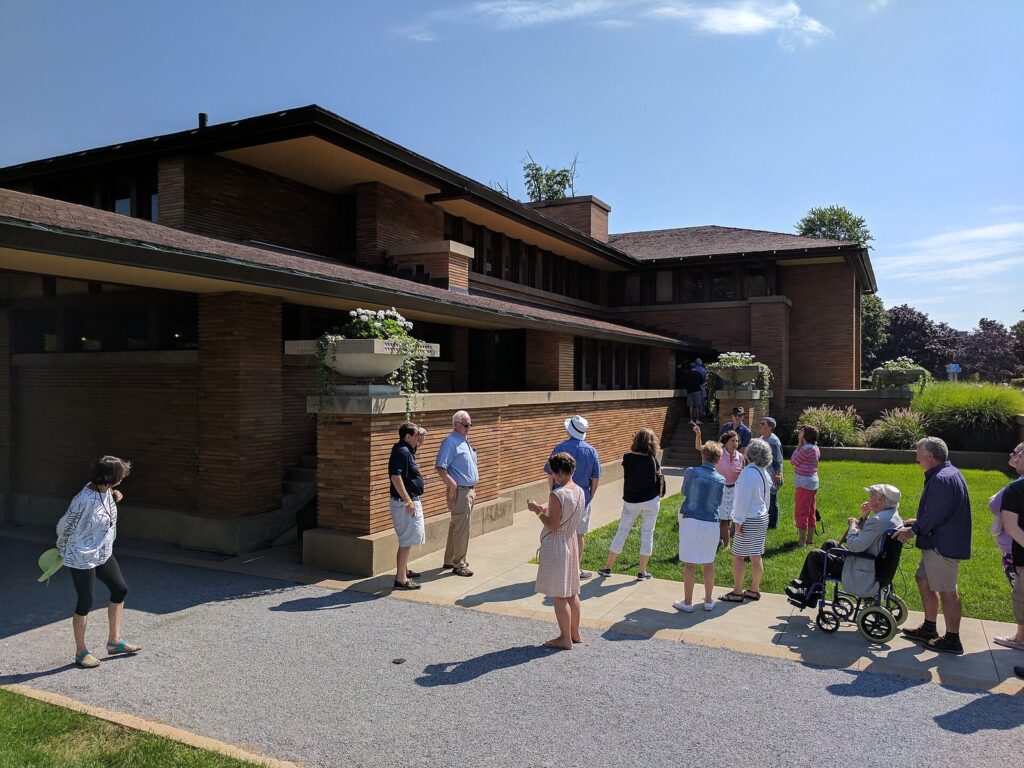
| Martin House | Standard tour mostly accessible; Plus tour not | $25 standard tour | 75 minutes | Yes, required |
| Niagara Falls State Park | Attractions and most trails accessible; no loaner chairs | Free to enter; parking fees | Half a day with the drive | Only for boat tickets |
| Shea’s Buffalo | No elevator; no accessible balcony seats | Show tickets | An evening | Yes, request accessible seats |
How accessible is Buffalo overall?
Better than you might expect for a city this old, with some predictable gaps. The terrain helps: Buffalo sits on a flat lake plain, so there are no hills to fight downtown, along the waterfront or through the Elmwood and Delaware Park area. Downtown is compact, with City Hall, the Theater District, Canalside and the KeyBank Center all within about a mile of each other, and Metro Rail runs down the middle of Main Street. The sidewalks downtown are wide and mostly in good repair, and curb cuts are standard at crossings.
The gaps come from age. Much of the city was built between the 1850s and the 1930s, and many of its landmark buildings were designed around grand staircases, raised first floors and narrow historic interiors. Where a building has been recently renovated, access is usually good; where it’s a working historic house, a theater balcony or a ship, it often isn’t. Side streets in older neighborhoods can have heaved sidewalks from tree roots and frost, and in winter, snowbanks at the corners can block curb cuts for days after a storm.
Buffalo’s museums and big venues publish access information, and most answer the phone helpfully. The pattern is consistent enough to plan around: newer and renovated museums, the waterfront, the Olmsted park paths and Niagara Falls State Park are the easy wins; historic house interiors, theater balconies, observation decks and gorge trails are the hard ones. Our guide to things to do in Buffalo covers the full list of attractions; this guide tells you which to pick.
Which Buffalo attractions are fully accessible?
These are the places you can visit with the least friction, all with step-free entrances, elevators where needed and accessible restrooms. Together they’d fill a long weekend, and a separate guide in this series lists every wheelchair accessible attraction in Buffalo with its entrance, parking and restroom details.
Buffalo AKG Art Museum
The AKG is the standard-setter. Every gallery, entrance and facility is wheelchair accessible, including the new Gundlach Building and the connections between the three buildings. The museum lends wheelchairs and walkers free, admits personal care attendants free, and has large-print labels for selected works. Manual and power wheelchairs and mobility scooters are welcome in all public areas. Parking on site costs $12 for three hours. Our Buffalo AKG accessibility guide goes gallery by gallery, and our guide to Buffalo’s museums and art covers what to see there.
Plan it: 1285 Elmwood Avenue; loaner wheelchairs and walkers free; care attendants free; parking $12 for three hours, $2 for each extra hour; the Route 20 Elmwood bus runs along Elmwood Avenue past the museum; details at buffaloakg.org.
Buffalo History Museum
The History Museum, in the Pan-American Exposition’s white marble temple on Delaware Park, is wheelchair accessible throughout, which is more than most buildings of 1901 can say. Exhibition films are open-captioned, sensory kits are always available at the desk, and every Sunday from 11am to noon, before general opening, the museum runs a Sensory Hour. It’s pay as you wish, with $12 suggested, and parking in its lot is free.
Plan it: Wednesday to Saturday 10am to 5pm, Sunday noon to 5pm, closed Monday and Tuesday; free parking; the Elmwood #20 bus stops at Elmwood and Nottingham; allow one to two hours; 1 Museum Court.
Buffalo Museum of Science
The Museum of Science is certified sensory inclusive by KultureCity, with free sensory bags and a Comfort Room for a quiet break, and it lends wheelchairs and strollers free. Two elevators connect the floors. It’s a strong choice for families with children who have sensory or mobility needs.
Canalside’s family stops
At Canalside, the Explore & More Children’s Museum has an elevator to all four floors, and the Buffalo Heritage Carousel next door has ADA-compliant seating on the ride itself. In September 2026 the carousel ran Friday and Saturday from noon to 5pm and Sunday from 11am to 5pm, with quiet rides for guests with auditory sensitivity from 11am to noon on Sundays; hours change with the seasons, and rides are a $3 donation. Explore & More is open Wednesday to Saturday from 10am to 4pm, with Sunday hours that vary, and costs $16 for ages 1 to 59.
Pierce-Arrow Museum and the Buffalo Zoo
The Buffalo Transportation Pierce-Arrow Museum, home of the Frank Lloyd Wright filling station, is accessible and has free parking; it’s open Thursday to Saturday from 11am to 4pm. The Buffalo Zoo rents wheelchairs, motorized scooters and strollers at its Zootique shop, and you can reserve a wheelchair or scooter by phone. Bring photo ID or expect a deposit, and note that scooters aren’t rented from November through March or on days with rain in the forecast. The wheelchair friendly museums guide in this series compares the city’s museums side by side.
Which famous sites are only partly accessible?
Several of Buffalo’s headline sights can be visited in part, and knowing which part saves a wasted trip. Here’s the honest picture, with the best alternative when a site doesn’t work.
Frank Lloyd Wright’s Martin House
Most of the standard 75-minute Martin House Tour is wheelchair accessible; the exception is the pergola, the long covered walkway between the buildings. Walkers aren’t allowed on the second floor, and the two-hour Martin House Plus Tour, which adds the second floor, the Barton House and the Gardener’s Cottage, isn’t wheelchair accessible at all. Book the standard tour, $25 for adults, and mention your needs when you book, since tickets are timed and sell out. The Martin House wheelchair access guide in this series covers the route through the house.
Buffalo City Hall’s observation deck
City Hall itself is a working government building with elevators, but they stop at the 25th floor, and the observation deck on the 28th is reached only by three flights of stairs. If stairs are out, the lobby, with its Art Deco decoration, is the part to see; for a high view, the Erie Basin Marina and the Outer Harbor give you the skyline from ground level.
Shea’s Buffalo Theatre
Shea’s has no elevator and no accessible seating in the balcony, so book accessible seats on the orchestra level and tell the box office what you need when you buy. Its monthly historic tours, $25 for up to 20 people on selected Mondays at 6pm, go through the old movie palace’s grand spaces; ask before booking whether the route works for you.
Graycliff, the Naval Park and the Central Terminal
Graycliff, Wright’s summer house on Lake Erie, isn’t fully accessible, so call before you drive 25 minutes south. At the Buffalo and Erie County Naval & Military Park, the ships are what they are: steep ladders, narrow hatches and high thresholds, and the park publishes no accessibility information. The below-deck areas of the destroyer USS The Sullivans are closed for preservation anyway. Buffalo Central Terminal is currently an outside-only visit, along exterior paths.
| Site | What works | What doesn’t | Better alternative |
|---|---|---|---|
| Martin House | Most of the 75-minute standard tour | The pergola; the Plus tour; walkers upstairs | Book the standard tour |
| City Hall | Lobby and elevators to floor 25 | Three flights to the deck | Waterfront views from Erie Basin Marina |
| Shea’s Buffalo | Orchestra-level seating | Balcony; no elevator | Book accessible orchestra seats |
| Graycliff | Parts of the site | Not fully accessible | The Martin House standard tour |
| Naval Park ships | Waterfront grounds | Ladders, hatches; no access information | Canalside and the Explore & More museum |
| Niagara Gorge trails | Rim overlooks | Long stairs into the gorge | Niagara Falls State Park paths |
How accessible is the waterfront?
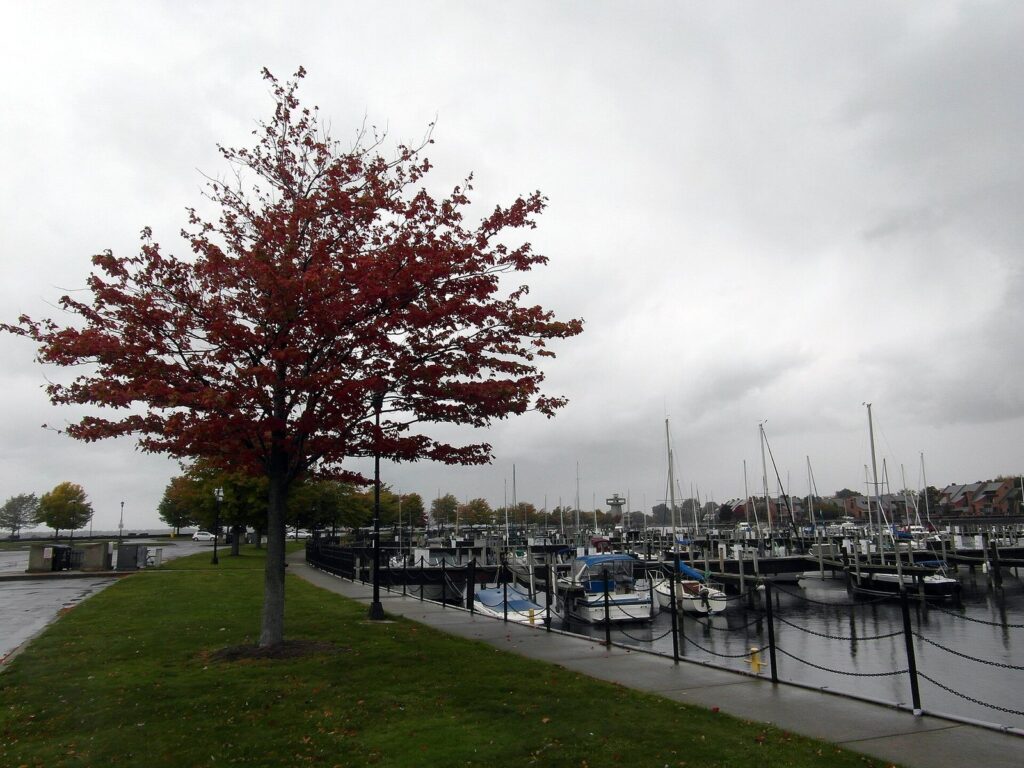
The waterfront is the easiest place in Buffalo to spend a long, step-free afternoon. Canalside, free and open daily from dawn to dusk with free parking, is laid out on the level ground of the old canal district, with wide paved and boardwalk paths along the water; watch for patches of brick and stone paving, which small front casters feel. From there, the harbor promenade continues to Erie Basin Marina, a level, paved path along the boats with lake views.
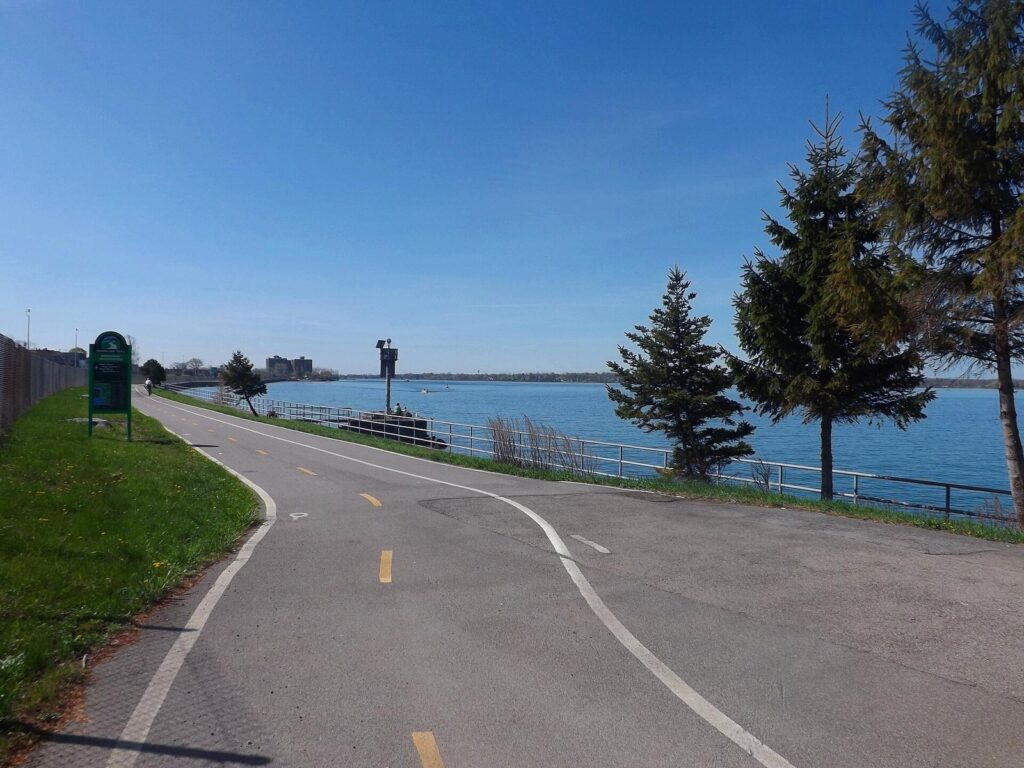
Across the harbor, the Outer Harbor has more than 200 acres of green space with paved trails, and Wilkeson Pointe has wheelchair-accessible parking right by the lawn and the lake. Just south, Buffalo Harbor State Park adds a boardwalk, a pier and free parking. Farther north, the Shoreline Trail follows the Niagara River on a paved off-road path. The accessible Buffalo waterfront route in this series strings these together with parking, restrooms and rest stops, and our Buffalo waterfront guide covers what there is to do along the shore.
Plan it: Canalside free, dawn to dusk, with free parking; accessible parking at Wilkeson Pointe on the Outer Harbor; Buffalo Harbor State Park at 1111 Fuhrmann Boulevard with free parking; bring a windproof layer, because the lake wind is stronger than it looks from downtown.
What about the parks and the outdoors?
Several of Buffalo’s best outdoor spots work well on wheels. The path around Hoyt Lake in Delaware Park is a 1.1-mile loop on smooth pavement, with the Japanese Garden and the Rose Garden along the way and the History Museum at one end. Tifft Nature Preserve on the Outer Harbor has an Accessible Trail that stays open even while other trails are being resurfaced this fall. The Botanical Gardens’ Victorian conservatory in South Park is an indoor option on a cold or wet day.
The rugged spots are the ones to skip: the Niagara Gorge trails start with long stairs, and Eternal Flame Falls involves a steep, slippery descent into a creek bed. Our guide to outdoor things to do in Buffalo covers all the parks and trails, with the flat ones marked.
Is Niagara Falls wheelchair accessible?
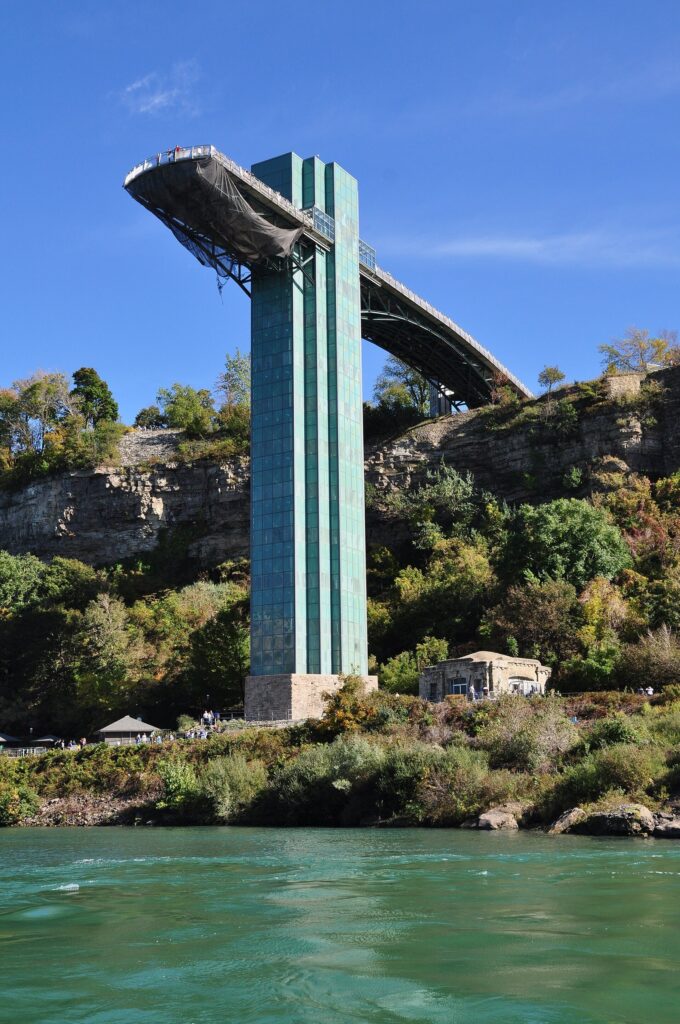
On the US side, largely yes. Niagara Falls State Park says all of its attractions and most of its trails are accessible to wheelchairs and other mobility devices, and scooters are permitted. The Maid of the Mist’s facilities and boats are fully ADA accessible, and the ticket price includes the Observation Tower elevator down to the landing; in 2026 adult tickets cost $30.25. At the Cave of the Winds, wheelchair access reaches the main viewing platform, but not the whole attraction.
Parking is the other planning point. The state park charges a vehicle fee in its main lots: through October 11, 2026, Lots 1 and 2 cost $10 Monday to Thursday and $15 Friday to Sunday, and from October 12 the rate is $10 a day through March 2027. Lot 3 is free Tuesday to Thursday year-round and every day from early September to late May, and Lot 4 has no fee. On summer weekends the lots closest to the falls fill first, so arrive early if you need an accessible space near the paths.
Two catches. The park doesn’t rent or lend wheelchairs or strollers, so bring your own. And the Canadian side, for all its famous views, requires a passport and a border crossing, which adds time and uncertainty to a tiring day. The accessible Niagara Falls day trip in this series plans the route and the parking, and our main guide to Niagara Falls from Buffalo covers the rest.
How do you get around with a disability?
Buffalo’s transit is built for step-free travel. NFTA Metro buses and trains have wheelchair ramps, audio and visual stop announcements and dedicated wheelchair spaces, and elevators and escalators serve the Metro Rail stations. Metro Rail is free on its above-ground section downtown, from Fountain Plaza to Canalside, and costs $2 a ride underground, capped at $5 a day with a MetGo card. Elevators do go out of service from time to time, so check before relying on a particular underground station, and allow extra time this fall, when construction has cut Metro Rail to about one train every 20 minutes.
For door-to-door trips, NFTA’s PAL paratransit serves people whose disability prevents them from using the bus or train. Reservations are taken seven days a week from 8am to 8pm by phone at (716) 855-7239 or online at PALdirect; next-day trips must be booked by 4pm the day before, and there are no same-day bookings. Visitors can use it too: under federal ADA rules, paratransit systems must serve riders who are certified by another system, or who can document their disability, for up to 21 days in any 365-day period. Call PAL well before your trip to arrange it. The accessible public transportation guide in this series covers routes and stations in detail, and our guide to getting around Buffalo covers fares and the airport.
At the airport, carts with drivers carry passengers to their gates after security; ask your airline at check-in. The airport’s shuttles have wheelchair lifts, and Braille signage runs through the terminal. If you drive, accessible parking permits from other US states are honored, and the city’s attractions, from the AKG to Wilkeson Pointe, have marked accessible spaces. If you need a wheelchair-accessible rideshare or taxi, check availability before you rely on one, since supply is limited in many mid-sized cities.
Where can you find restrooms and rest stops?
Plan restroom stops the way you plan meals. The museums in this guide, the downtown hotels and the big venues are the reliable choices for accessible restrooms, and it’s worth timing a museum visit for the middle of a long day out. Along the waterfront, facilities are thinner outside summer, so don’t count on a seasonal building being open in October. Out of town, the restrooms at Devil’s Hole State Park on the Niagara Gorge are open only from mid-April to late October.
Seating is easier to find than you might think. Canalside has Adirondack chairs along the canal, the Wilkeson Pointe lawn on the Outer Harbor has chairs facing the lake, Delaware Park’s lake loop has benches along the path, and most museums have seating in their galleries. If you use a mobility scooter, charge it overnight, since there are few places to top up on the go. Medical equipment rental services deliver wheelchairs and scooters to Buffalo hotels; book a week or more ahead in summer and fall.
Where is Buffalo sensory friendly?
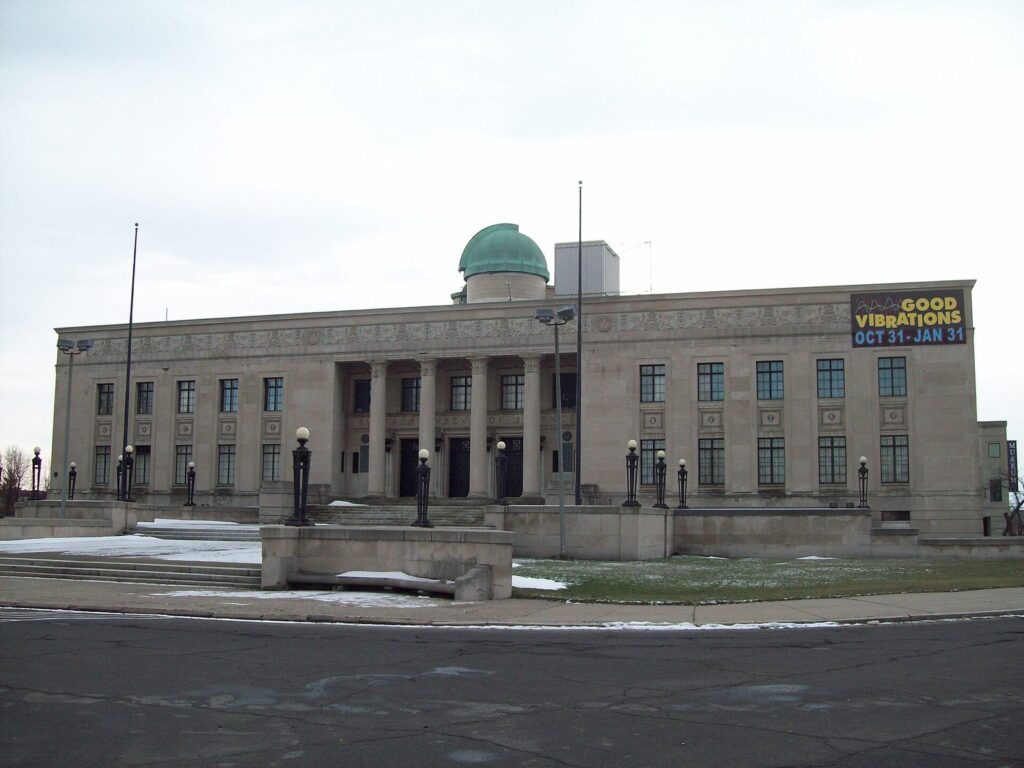
Buffalo has more sensory-friendly options than most cities its size, and a few regular quiet times to build a day around. The Buffalo History Museum runs its Sensory Hour on Sundays from 11am to noon and keeps sensory kits at the desk every day. The Buffalo Museum of Science is KultureCity certified, with free sensory bags and a Comfort Room. The Heritage Carousel at Canalside runs quiet rides for guests with auditory sensitivity from 11am to noon on Sundays, which makes Sunday morning the natural time for a sensory-friendly outing downtown.
Game days are more complicated but getting better. At the new Highmark Stadium, the Bills have added seven sensory rooms open to all ticket holders, trained staff with KultureCity and made sensory kits available at Guest Experience booths. At the airport, Buffalo takes part in the Hidden Disabilities Sunflower program: free Sunflower lanyards and wristbands are available at the Ambassador Information Desk on the lower level, across from baggage carousel 3, and staff are trained to offer extra time and help.
For quieter visits in general, go on weekday mornings, avoid Canalside on concert and festival nights, and check the calendar for fireworks, which are frequent in summer. The sensory friendly Buffalo attractions guide in this series lists every venue with its quiet hours, kits and calm spaces.
What about hearing and vision access?
Some of the best supports are the least advertised. At the Buffalo History Museum, exhibition films are open-captioned, so there’s nothing to request. The Buffalo AKG has large-print labels for selected works. On transit, Metro Rail and NFTA buses announce stops both aloud and on screens, which helps riders who are deaf, hard of hearing or blind, and anyone new in town. At the airport, Braille signage runs through the terminal before and after security.
For theater and concerts, ask the box office about assistive listening devices and any interpreted or audio-described performances when you book, since those are usually scheduled for specific dates. For guided tours, including the Martin House and the Roosevelt site, tell the organizer in advance if you’d like to stand near the guide or need written material; it’s always worth asking.
Service dogs are welcome in museums, restaurants, hotels and on transit under the Americans with Disabilities Act, which covers dogs trained to perform a task related to a disability; emotional support animals don’t have the same protection. If you’re crossing into Canada with a service dog, check Canada’s current entry rules for dogs before you go.
What about sports and shows?
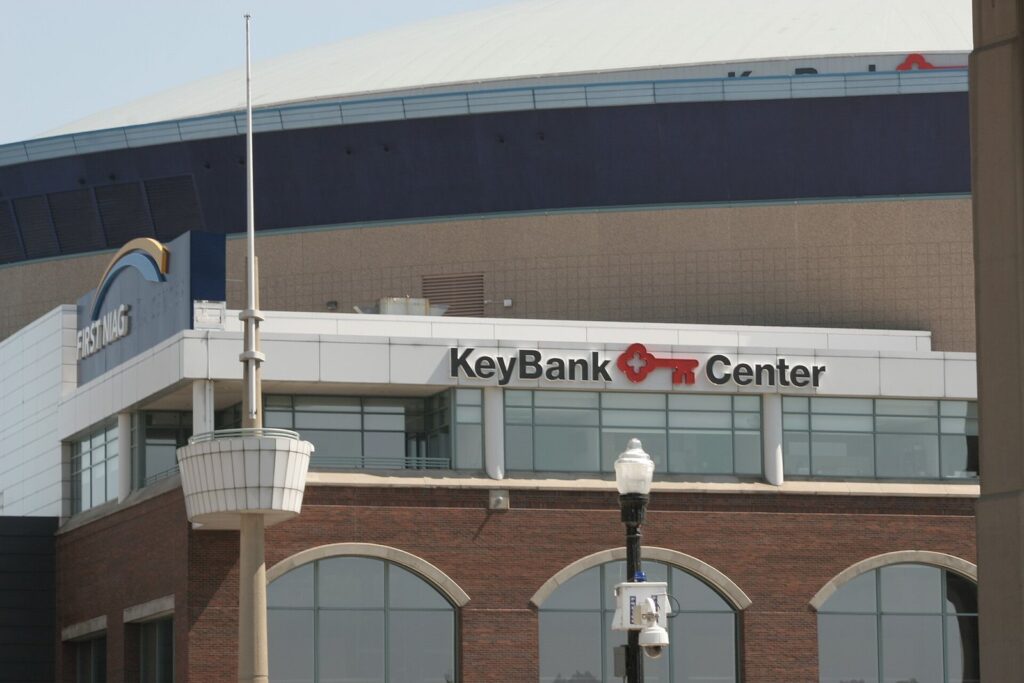
Modern venues are the easy part. The KeyBank Center, home of the Sabres, sits beside Canalside on level ground and is a short roll from the free Canalside Metro Rail station; buy accessible seats through the venue’s ticketing and ask about drop-off points on event nights, when traffic around the arena is heavy. For the Bills, read the stadium’s accessibility guide on seating, parking and the sensory rooms before you buy. For theater, Shea’s orchestra level is the place to sit, and the smaller Theater District stages vary, so call each box office.
Where should you stay?
Location matters as much as the room. Downtown hotels near Main Street put you on flat ground, within a short roll of Canalside, the Theater District and Metro Rail, which is the easiest base for most visitors with limited mobility. Wherever you book, ask specific questions rather than trusting an “accessible” label: whether the room has a roll-in shower or a tub with a bench, the bed height, the width of the bathroom door, and whether the accessible entrance is the main one. Book direct so you can confirm the exact room type. The accessible hotels guide in this series names the hotels closest to the main attractions, and our guide to where to stay in Buffalo compares the neighborhoods.
Can you eat out without steps?
Usually, with a little checking. Buffalo’s newer restaurants and hotel dining rooms are built to modern codes, and places in the newer buildings at Canalside and downtown are more likely to be step-free. The city’s beloved old taverns and wing joints are another story: many are in 19th-century buildings with a step at the door, a narrow bar and a restroom down a flight of stairs. Call ahead and ask three things: is the entrance step-free, is the accessible restroom on the same floor, and can they seat you at a table rather than a high-top. Our Buffalo food guide covers what to eat and where.
When is the best time for an accessible trip?
Late spring through early fall is the easiest window. Sidewalks and curb cuts are clear, the waterfront paths are at their best, the Maid of the Mist and the boat tours are running, and outdoor events fill Canalside. The trade-off is crowds: Niagara Falls on a July weekend means packed paths and full parking lots, so go on a weekday morning if you can. September and October are the sweet spot, with thinner crowds, mild weather and most seasonal services still running. Winter works if you build the trip around indoor attractions, as the next section explains.
What changes in winter?
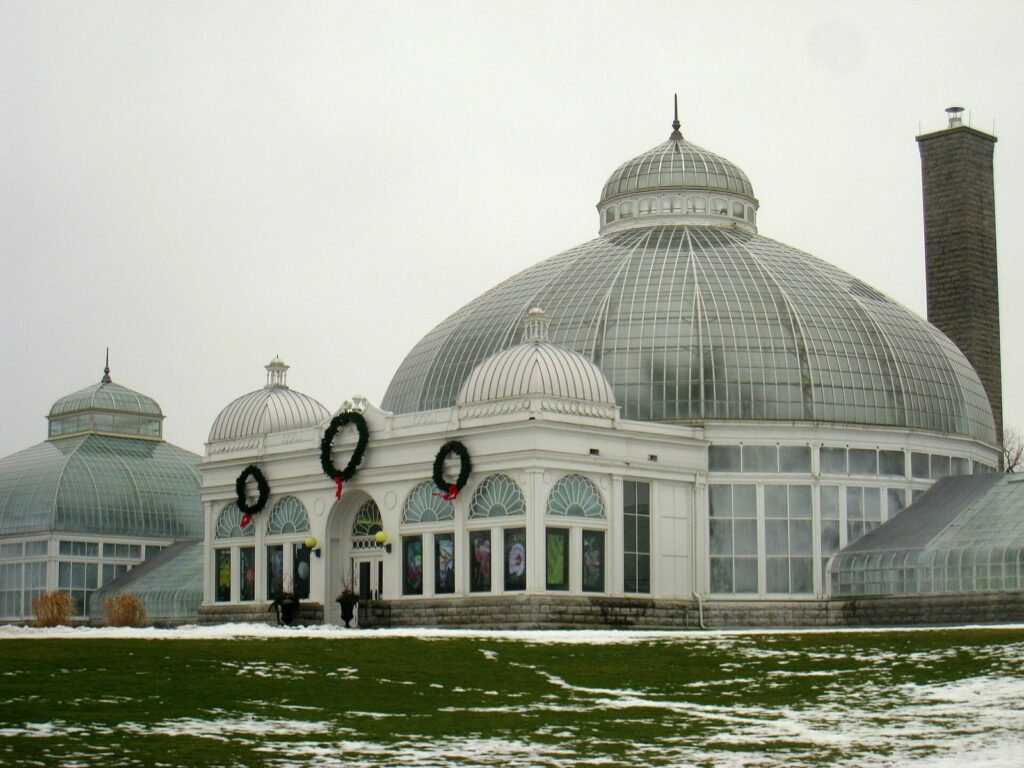
Snow is the biggest access issue in Buffalo, and it’s a real one from December to March. Main streets and downtown sidewalks are cleared quickly, but plow ridges at the corners can block curb cuts, and side-street sidewalks may stay rough for a day or two after a big storm. Plan winter trips around indoor attractions with parking close to the door, and build in flexibility for storm days. The museums, the Botanical Gardens’ conservatory and the KeyBank Center are all indoor options. The accessible winter activities guide in this series covers the best of them.
What does an accessible weekend look like?
Here’s a weekend that keeps the effort low and the payoff high. On Saturday, start at Canalside with the waterfront promenade and, if you’re traveling with kids, the Explore & More museum and the carousel, then have lunch downtown. In the afternoon, drive or take the Route 20 bus to the Buffalo AKG for two or three hours, borrowing a wheelchair there if you need one. On Sunday, start with the History Museum’s Sensory Hour at 11am or its regular opening at noon, roll the Hoyt Lake loop in Delaware Park, and book an afternoon Martin House standard tour.
If you have a third day, make it Niagara Falls State Park, about 30 minutes north, with the Maid of the Mist in season. The wheelchair accessible Buffalo weekend itinerary in this series adds restaurants and timing, and a separate itinerary covers Buffalo with limited mobility, for travelers who can walk short distances but tire easily.
What should you ask before you book?
A few questions save most of the surprises. Is the main entrance step-free, and if not, where is the accessible one? Are all the areas you want to see on an elevator route, and is the elevator working this week? Where is the nearest accessible restroom, and is there an adult changing table? Is there accessible parking or a drop-off point close to the door? Can you borrow a wheelchair on site? For tours, how long is the route and are there places to sit? For shows and games, where are the accessible seats and companion seats? Buffalo’s venues are generally good at answering, and asking ahead turns “partly accessible” into a plan.
Accessible Buffalo Travel FAQ
Is Buffalo wheelchair friendly?
Largely, yes. The city is flat, downtown is compact, and Metro Rail and the buses have ramps and elevators. The newer and renovated museums, including the Buffalo AKG, the History Museum and the Museum of Science, are accessible throughout. The problems are historic interiors, such as the Martin House’s upper floor, Shea’s balcony and City Hall’s observation deck, and snow-blocked curb cuts in winter.
Is the Martin House wheelchair accessible?
Mostly. Nearly all of the standard 75-minute Martin House Tour is wheelchair accessible, except the pergola. The two-hour Plus tour, which adds the second floor, the Barton House and the Gardener’s Cottage, isn’t accessible, and walkers aren’t allowed on the second floor. Book the standard tour in advance, since tickets are timed and sell out.
Is Buffalo’s Metro Rail accessible?
Yes. Metro Rail trains have wheelchair ramps and spaces, audio and visual stop announcements, and elevators and escalators serve the stations. The above-ground section downtown is free to ride. Elevators occasionally go out of service, so check before relying on an underground station, and allow extra time during this fall’s construction, when trains run about every 20 minutes.
Can visitors use Buffalo’s paratransit service?
Yes. Under federal ADA rules, paratransit systems must serve visitors certified by another US system, or who can document their disability, for up to 21 days in a year. Call NFTA’s PAL at (716) 855-7239 well ahead of your trip. Trips must be booked by 4pm the day before, and there are no same-day bookings.
Is Niagara Falls accessible for wheelchair users?
On the US side, largely. Niagara Falls State Park says its attractions and most trails are accessible, the Maid of the Mist’s boats and facilities are fully ADA accessible, and the Cave of the Winds is accessible to its main viewing platform. The park doesn’t lend wheelchairs or strollers, so bring your own, and remember that the Canadian side needs a passport.
Is Shea’s Buffalo wheelchair accessible?
Partly. Shea’s has no elevator and no accessible seating in the balcony, so wheelchair users and anyone who can’t manage stairs should book accessible seats on the orchestra level and tell the box office what they need. The theater’s monthly historic tours cost $25 for up to 20 people; ask before booking whether the route works for you.
Which Buffalo attractions are best for sensory needs?
The Buffalo Museum of Science is KultureCity certified, with sensory bags and a Comfort Room. The Buffalo History Museum runs a Sensory Hour on Sundays from 11am to noon, and the Heritage Carousel at Canalside offers quiet rides at the same time. For football, the new Highmark Stadium has seven sensory rooms open to all ticket holders.
Related Buffalo Guides
- Getting Around Buffalo NY
- Buffalo NY Museums and Art
- Where to Stay in Buffalo NY
- Things to Do in Buffalo NY
- Buffalo NY Waterfront Guide
- Niagara Falls from Buffalo NY
Sources and How We Checked
Hours, prices, routes and other details in this guide were checked on September 23, 2026 against the official sources below. The guide is compiled from those operators and agencies rather than from other travel lists, and it doesn’t describe first-hand visits. Details change, so confirm anything time-sensitive with the operator before you go.
- Niagara Falls State Park: niagarafallsstatepark.com/park-information/parking, niagarafallsstatepark.com/park-information/faqs
- Whirlpool State Park: parks.ny.gov/parks/whirlpool
- Buffalo AKG Art Museum: buffaloakg.org/visit/accessibility, buffaloakg.org/hours-admission
- The Buffalo History Museum: buffalohistory.org/visit-us
- Buffalo Museum of Science: sciencebuff.org/accessibility
- Explore & More Children's Museum: exploreandmore.org/visit
- Buffalo Heritage Carousel: buffaloheritagecarousel.org, buffaloheritagecarousel.org/planning-your-visit
- Buffalo Transportation Pierce-Arrow Museum: pierce-arrow.com/plan-your-visit
- Buffalo Zoo: buffalozoo.org/tickets/visitor-info
- Darwin D. Martin House: martinhouse.org/tours, martinhouse.org/visit/prepare/accessibility
- Buffalo City Hall: explorebuffalo.org/downtown/buffalo-city-hall
- Shea's Buffalo Theatre: sheas.org/historic-tours
- Graycliff: experiencegraycliff.org/visit/plan-your-visit
- Buffalo and Erie County Naval & Military Park: buffalonavalpark.org/visit/hours-admission
- Buffalo Central Terminal: buffalocentralterminal.org/tours
- Canalside: buffalowaterfront.com
- Buffalo waterfront: buffalowaterfront.com/destination-guide
- Buffalo Harbor State Park: parks.ny.gov/visit/state-parks/buffalo-harbor-state-park
- Shoreline Trail: empiretrail.ny.gov/buffalo-rochester/buffalo-tonawanda
- Delaware Park: bfloparks.org/parks/delaware-park
- Tifft Nature Preserve: tifft.org
- Cave of the Winds: niagarafallsstatepark.com/park-information/faqs
- Maid of the Mist: maidofthemist.com/faqs, maidofthemist.com/schedule-pricing
- NFTA Metro accessibility: metro.nfta.com/paratransit
- NFTA PAL paratransit: metro.nfta.com/paratransit
- ADA paratransit visitors: ecfr.gov/current/title-49/subtitle-A/part-37/subpart-F/se…
- NFTA Metro: metro.nfta.com/fares/fare-info
- NFTA Metro Rail: metro.nfta.com/schedules/heading-to-an-event, metro.nfta.com/schedules/route/rail
- Buffalo Niagara International Airport: buffaloairport.com/traveler-info/accessibility
- Highmark Stadium: buffalobills.com/news/bills-announce-seven-sensory-rooms-…
Buffalo Tourism Guide is an independent publication. We are not affiliated with Visit Buffalo Niagara, the City of Buffalo or any attraction listed here, and no one paid to be included.
Photo Credits
- Martin House tour: photo by Nathaniel Abbott, Wikimedia Commons (CC BY-SA 4.0)
- Erie Basin Marina: photo by Reading Tom from Reading, UK, Wikimedia Commons (CC BY 2.0)
- Riverside Park path: photo by Andre Carrotflower, Wikimedia Commons (CC BY-SA 3.0)
- Prospect Point Observation Tower: photo by Don-vip, Wikimedia Commons (CC BY-SA 3.0)
- Buffalo Museum of Science: photo by Pubdog (talk), Wikimedia Commons (Public domain)
- KeyBank Center: photo by Buffaboy, Wikimedia Commons (CC BY-SA 4.0)
- Botanical Gardens conservatory: photo by Daderot, Wikimedia Commons (Public domain)